10 Misconceptions Your Boss Has About Glass Glazier Glass Glazier


How to Become a Glass Glazier
Glaziers work on construction sites as well as in workshops in which they cut and shape glass, as well as polish it. They may employ hoists or cranes to lift heavy pieces of glass. They can also install molds and clips to secure the glass to frames.
Glaziers are expert in installing an array of glass products, ranging from traditional windows to bespoke ones. They can provide design advice and cost estimates.
Job description
Install skylights, windows and other fixtures for commercial buildings, retail stores, and homes. They follow the blueprints to cut glass according to specific sizes and shapes, and then take away old or damaged panes prior to installing new ones. Glaziers also install sashes moldings and frames, fasten the panes onto frames and weatherproof them with joint sealants. Glaziers can also install mirrors and shower doors. Glaziers are closely linked to glass mechanics and window installers, but mirror installation jobs pay less.
Glass glaziers must have solid work ethics and be able to work in construction environments and could be required to travel between sites of work. They must also be competent in reading tape measure and work under strict deadlines. They should also be able to communicate effectively with contractors, architects and other tradespeople.
Certain glaziers are highly educated and are able to take on more difficult roles, like interpreting architectural plans. They might also be able to fabricate glass in accordance with the specifications of the design. Journeymen are able to supervise and lead others in their trade.
A job as a glazier requires basic math skills. This includes the ability to measure to 1/16th of an inch. They also must be physically capable of lifting heavy objects, and be at ease working outdoors in all weather conditions.
Glaziers typically work on large, complex construction projects such as skyscrapers and skylights. They may be responsible for determining the dimensions of, shape, color, and type of glass required and the location of framing, as well as the staging and scaffolding materials required. They also prepare glass to cut by placing it on the edges of racks or against cutting tables, and brushing a thin layer of oil along cutting lines, or by dipping their tools into oil. They also assemble stained glass sections and glue them together. They create patterns by etching, painting or sandblasting designs onto the surface. They use a variety of power and hand tools including saws and drills. Some glaziers have been certified as safety managers and are required to comply with all applicable safety regulations and laws in the workplace.
Training and education requirements
To become Glazier, you have to complete a formal apprenticeship program. These programs are typically run by unions or contractor associations and provide both on-the-job experience and classroom-based instruction. Typical curriculum topics include glass manufacturing, deciding on glasses that are appropriate for a particular purpose studying blueprints and construction techniques, and the importance of safety. Apprentices must pass a test in order to receive their journey worker certification.
In addition to completing an apprenticeship program Glaziers should concentrate on continuing their education and attending seminars and workshops. This will allow them to keep up-to-date on new trends and materials as well as learning more about the techniques of glazing. They will also be able to enhance their skills and expand their career options.
Glaziers are skilled tradespeople that must be physically fit and comfortable working from high places. They must be able to follow detailed instructions and work with tools that are specialized. They should also be able to stand for long periods and be able to withstand the loud noises of construction sites.
If you're interested in this field, start by researching the apprenticeship programs in your area. You can find apprenticeship programs at a number of community colleges as well as vocational schools, as well as through local unions and contractor associations. Additionally you can make use of apps like SkillHero to connect with local trainers and contractors.
You must be an experienced glazier and hold a high-school diploma or an equivalent qualification. College degrees aren't required but they can be helpful in certain instances. If you're considering an occupation that requires skills it's crucial to craft a strong resume that highlights your abilities and skills. This will help you stand out amongst other applicants and attract employers' attention. You can use a free SkillHero account to build your resume. You can even get access to an online job board that connects you with employers who are looking for glamours.
Work environment
Glaziers work in a variety settings, including offices, construction sites and private residences. Their job is to select the proper types and dimensions of glass for each project and making sure that the materials are in compliance with industry standards. They also collaborate with contractors and architects to ensure that the glass installations are consistent with the overall vision and design of the project.
The work environment of a glazier presents numerous safety risks. The risk of injury from falling objects as well as being crushed by large sheets of glass are typical dangers. The risk can be minimized by employing safe lifting techniques and wearing protective gloves. In addition, glaziers must be aware of the risk of eye injuries that are caused by sharp edges or tools. They could also be exposed to dust particles while cutting, grinding, or drilling glass. This could cause harm when inhaled, which is why it is essential to wear proper respiratory protection while working in these environments.
Injury and illness are costly for businesses, but they can be avoided by following strict safety procedures. To avoid injuries, glaziers should wear personal protective equipment like safety boots, eyewear and gloves. When handling hazardous substances, such as lead and asbestos, they should adhere to strict health and safety protocols. PPE can help protect your company's reputation, reduce workplace injuries, and help lower healthcare costs.
If you have a flair for creative thinking and a keen eye for detail could take up a career in glazing. They are skilled at designing aesthetic features that allow natural light to flow into a building and offer security and privacy. They are also responsible for replacement of doors and windows as well as repairing broken glass and repairing damaged glass.
As a result, they must be able to use their hand-eye coordination well and mechanical ability to precisely cut glass pieces and put them into frames. They should be able to read architectural blueprints, construction plans and other technical documents. In addition, glaziers must be able to work at the heights they work at, as they typically install glass in high-rise buildings.
Another crucial aspect for success in the field of glazing is the ability to work with a diverse range of materials, including metals and wood. They must be able work in teams and have good communication skills. Glaziers should also be able to perform under pressure and meet deadlines.
Salary
Glaziers are paid a salary according to the kind of work they perform and their experience. They may also earn extra money for working in overtime or on special projects. In addition some glaziers serve as managers or supervisors and are paid more. Repair My Windows And Doors who work in this field can also boost their earnings by switching employers or gaining a promotion. Some people choose to pursue advanced degrees in order to improve their job opportunities and boost their earnings potential.
Glazing is a significant construction trade that includes workers who install skylights, windows and other fixtures within buildings. These workers work with various materials such as sheet and plate glass. They also utilize glass that is insulated and other special glasses that hold warm or cold air, regulate the condensation and sound, and also make rooms safer by reducing the risk to breakage.
Many glaziers work full-time. Many are union members. The work is physically demanding, and workers often require scaffolding or a ladder in order to reach high places. They are also exposed chemicals and solvents. In addition, they must be competent to work in harsh weather conditions, like snow and rain.
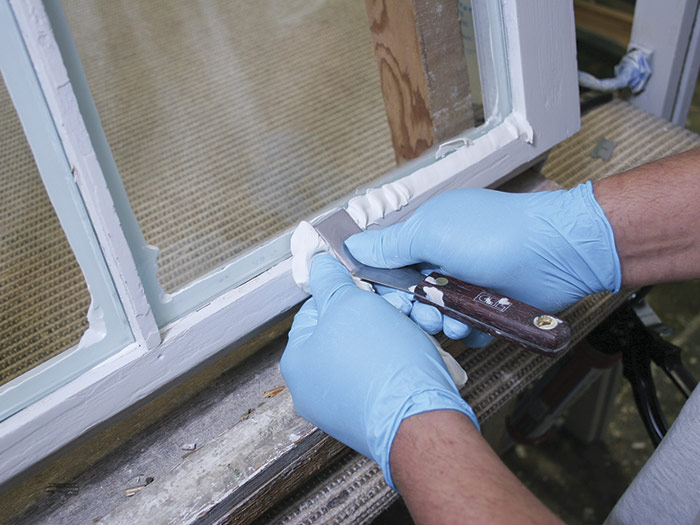
Glaziers are responsible for preparing the glass to be installed by measuring it and cutting it. They may also apply putty to the edges of the glass and then place it in frames. Based on the type of project, they may use cranes or hoists for lifting large pieces of glass to install. After the glass is installed, it is sealed with moldings and clips.
Glaziers are paid a wage which ranges from $23,000 to $54,000 annually. The skills of glaziers are high demand, and their wages are higher than the average for the nation. Some glaziers are self-employed. They are employed the most often in the Construction industry. The most lucrative glaziers are those with the highest experience. The glaziers' job satisfaction is high and they work in an exciting field.